
Struggling to position your breast or get your baby to latch comfortably? Sometimes, a little extra breast support can make a big difference. Latching difficulties can often be linked to misalignment between mother and baby, whether due to positioning, breast shape or individual anatomy. The Breastfeeding Buddy can help improve breast and nipple alignment, reducing the need for awkward positioning and making latching more comfortable and consistent.
One of the tools I regularly recommend during lactation consultations is the Breastfeeding Buddy. It's a simple silicone support that sits underneath your breast, gently lifting the breast and nipple to help improve alignment with your baby's mouth.
For many of my clients, this small adjustment makes latching quicker, more comfortable and easier to repeat at every feed.
Who can benefit from the Breastfeeding Buddy?
I particularly recommend it for mothers who:
Have fuller, heavier or softer breasts.
Have nipples that naturally sit lower or point downwards.
Find themselves constantly lifting or holding their breast while feeding.
Struggle to align their baby's mouth with the nipple.
Find latching inconsistent, uncomfortable or difficult to replicate.
Were given a face cloth in hospital as a breastfeeding prop to elevate the breast/nipple
By supporting the weight of the breast, the Buddy can help bring the nipple into a more accessible position without needing to continually lift or reshape the breast with your hand.
Why breast positioning matters for a comfortable latch
A comfortable latch isn't just about your baby's mouth. It's also about how your breast and baby fit together.
Research into breastfeeding positioning and attachment supports the importance of comfortable alignment, positional stability and how breast tissue fits within your baby's mouth.
The Thompson Method emphasises mouth-to-nipple alignment, baby-led attachment and small adjustments to support a comfortable latch. A large Australian study investigated the implementation of this physiological approach and its relationship with breastfeeding outcomes.
Gestalt Breastfeeding, developed by Dr Pamela Douglas and colleagues, explores how positioning and stability influence the way breast tissue fits inside your baby's mouth.
A small 2022 ultrasound study involving five mother–baby pairs found that adjustments using Gestalt principles changed nipple placement and increased the amount of breast tissue drawn into the baby's mouth. While preliminary, these findings help explain why small positioning adjustments can matter.
For some mothers, supporting the breast from underneath can make this alignment easier to achieve. The Breastfeeding Buddy offers a practical way to provide that support, potentially reducing the need to continually lift or shape the breast by hand.
Importantly, not every mother needs to lift her breast. The goal is to find a position that works comfortably for both you and your baby.
A better alternative to the rolled-up face cloth
If you were given a rolled-up face cloth or towel in hospital to support your breast, you'll already understand the concept.
The Australian Breastfeeding Association recommends a rolled-up cloth or thin towel underneath the breast as one option for mothers with larger breasts. This can help support the breast, improve visibility of attachment and create space around the baby's nose.
The Breastfeeding Buddy uses a similar principle but is designed specifically for breast support, with a few practical advantages:
Consistent support: No need to keep rolling or repositioning a cloth.
Hands-free: Helps free up a hand to support your baby.
Portable and discreet: Easy to slip into your nappy bag.
Easy to clean: Made from washable silicone.
Reusable: A practical alternative to carrying a rolled-up towel.
It's one of those simple tools that can make breastfeeding feel a little less complicated, particularly when you're feeding away from home.
How to use the Breastfeeding Buddy
Gently lift your breast.
Position the Buddy underneath, near the fold where your breast meets your chest.
Lower your breast onto the support, allowing it to gently elevate the nipple.
Bring your baby close, aligning their mouth with your nipple before latching.
Keep the Buddy away from the nipple and areola so it doesn't interfere with attachment. Make sure your baby's nose remains clear and the support isn't causing pressure or discomfort.
My experience as an IBCLC lactation consultant
I've recommended the Breastfeeding Buddy to many mothers during consultations, particularly those with fuller breasts and/or low nipples or difficulty achieving consistent nipple-to-mouth alignment.
The feedback has been very positive. Mothers often find they can achieve a comfortable latch more quickly, without needing to hold and reposition their breast throughout the feed.
It's not a solution to every breastfeeding problem, but when breast positioning is contributing to latch difficulties, it can be an incredibly useful tool.
While research supports the importance of breastfeeding positioning, clinical studies specifically evaluating the Breastfeeding Buddy are not yet established. My recommendation is based on its practical application and my experience supporting breastfeeding families.
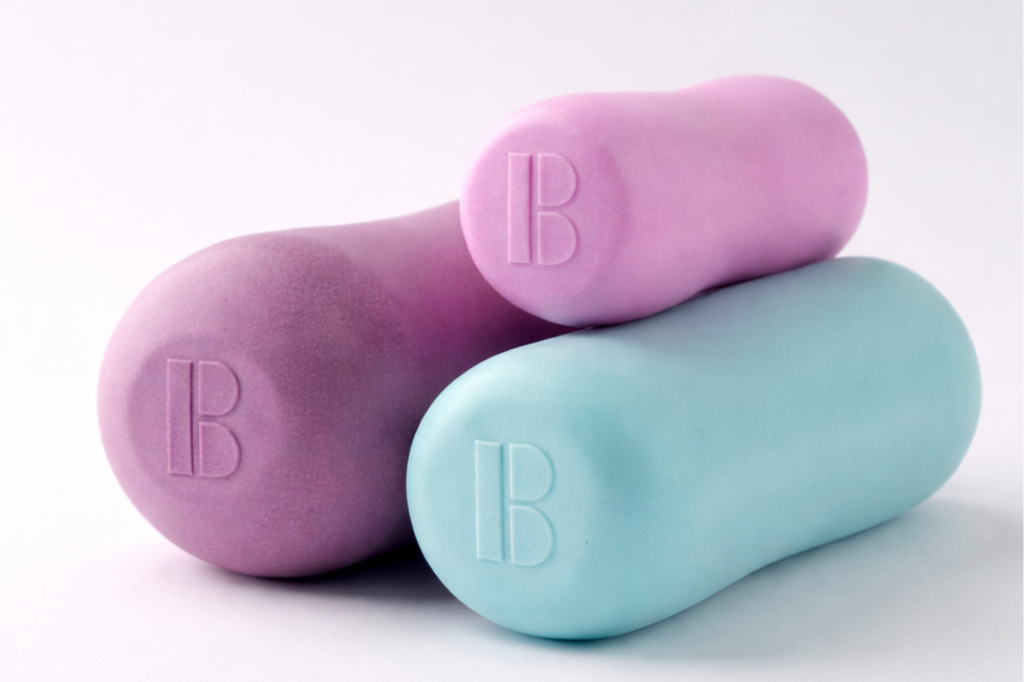
The Breastfeeding Buddy comes in three sizes (S,M,L) to suit different breast shapes and provide gentle support for easier, more comfortable breastfeeding.
Try the Breastfeeding Buddy – 10% off
If you're struggling with breast positioning or getting a comfortable, consistent latch, the Breastfeeding Buddy may be a helpful addition to your feeding routine.
Shop the Breastfeeding Buddy here
Use code JWP at checkout for 10% off*
Still struggling with your baby's latch?
Breast support can help, but persistent nipple pain, shallow attachment or difficulty feeding often requires a closer look at how your baby is positioned and attaching.
As an IBCLC Lactation Consultant, Endorsed Midwife and Naturopath, I help mothers identify the underlying causes of breastfeeding difficulties and find practical, individualised solutions.
I offer in-person lactation consultations in Moonee Ponds, Melbourne, and online consultations across Australia and New Zealand.
Book a breastfeeding consultation
References & Further Reading
Thompson Method (2023). Impact of the Thompson method on breastfeeding exclusivity and duration: Multi-method design. A study examining physiological breastfeeding positioning and attachment in an Australian maternity hospital. Read research.
Douglas, P. & Keogh, R. (2017). Gestalt Breastfeeding: Helping Mothers and Infants Optimize Positional Stability and Intraoral Breast Tissue Volume for Effective, Pain-Free Milk Transfer. Journal of Human Lactation, 33(3), 509–518. Read research.
Douglas, P. S., Perrella, S. & Geddes, D. T. (2022). A brief gestalt intervention changes ultrasound measures of tongue movement during breastfeeding: Case series. BMC Pregnancy and Childbirth, 22, 94. Read research.
Australian Breastfeeding Association. Breastfeeding with large breasts. Practical guidance on breastfeeding positions, breast support and using a rolled-up towel underneath the breast. Read article.
*Affiliate disclosure: This article contains an affiliate link. I may earn a small commission when you purchase through my link, at no additional cost to you. I only recommend products I genuinely use and trust in my clinical practice.
